
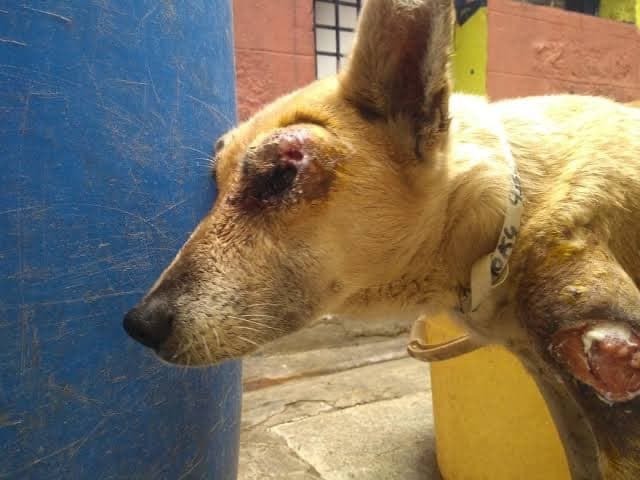
Maggot Wound in Dogs & Cats: Causes, Symptoms, Treatment & Prevention | Vets On Door Lahore
03/09/2026
Maggot wounds in dogs and cats can become a serious veterinary emergency if treatment is delayed. What may initially look like a small wound, skin infection, or minor injury can quickly develop into a condition called myiasis, commonly known as maggot infestation or flystrike.
During Lahore’s hot and humid weather—and particularly during the rainy and monsoon season—pet owners may notice an increased number of flies around pets, wounds, garbage, damp areas, and organic waste. Warmth and moisture create favorable conditions for flies to reproduce, while wet or infected wounds provide an ideal place for flies to lay eggs.
If you notice maggots, eggs, foul smell, discharge, or a rapidly worsening wound on your dog or cat, do not wait for the condition to become severe. Contact a veterinarian immediately.
At Vets On Door, our mobile veterinary team provides professional home veterinary services across Lahore, including emergency wound management and veterinary care at your doorstep.
What Is a Maggot Wound in Dogs and Cats?
A maggot wound is usually caused by fly larvae developing in an animal’s wound or contaminated skin. The veterinary term for this condition is myiasis.
Certain flies are attracted to:
- Open wounds
- Infected wounds
- Moist skin
- Pus and wound discharge
- Urine- or feces-contaminated fur
- Dead or damaged tissue
- Matted hair
- Areas around the eyes, nose, ears and genital region
Female flies can lay eggs in or around a suitable wound. Under favorable environmental conditions, these eggs can hatch rapidly, and the resulting larvae—commonly called maggots—can accumulate inside the wound.
Veterinary references describe myiasis as potentially progressive and serious, particularly when wounds are deep, infected, neglected, or associated with an already weak or sick animal.
Why Do Maggot Wounds Occur More During the Rainy Season?
Many pet owners notice more cases of maggot-infested wounds during rainy and humid weather. The reason is not simply “rain”; it is the combination of warmth, humidity, moisture and increased fly activity.
1. Increased humidity
Rain increases environmental humidity. Moist conditions can favor fly reproduction and make wounds remain wet for longer periods.
2. Wet wounds heal more slowly
When a wound repeatedly becomes wet from rain, puddles, bathing, or excessive licking, its normal healing process can be disrupted.
3. More flies around homes
Rain and warm temperatures can contribute to increased insect activity. Flies are particularly attracted to organic waste, feces, garbage and decomposing material.
4. Damp and contaminated fur
Dogs with long or thick coats can develop wet, matted hair. If urine, feces, blood, or wound discharge becomes trapped in the coat, it can attract flies.
5. Outdoor exposure
Pets that spend time outdoors have greater opportunities to encounter flies, contaminated environments and other animals that may cause bite wounds.
6. Small wounds can be missed
A tiny bite wound, scratch, surgical wound, skin infection or abscess can become hidden beneath fur. By the time the owner notices it, maggots may already be present.
Veterinary sources specifically identify warm, wet environments, open wounds, skin disease, weakness, poor hygiene and outdoor exposure as important risk factors for myiasis.
What Causes Maggot Infestation in Pets?
Maggot wounds can develop from many seemingly minor problems.
Common causes include:
🐾 Dog and cat bite wounds
Fight wounds and punctures can become infected beneath the skin. A small external opening may hide a deeper abscess.
🩹 Untreated cuts and injuries
Even a small wound can attract flies if it remains moist, infected or contaminated.
🐕 Skin infections
Severe dermatitis, allergies, bacterial infections and other skin problems can create moist, damaged areas that attract flies.
✂️ Surgical wounds
Post-operative wounds require careful monitoring. Any wound that becomes open, infected or contaminated should be examined by a veterinarian.
🐶 Matted fur
Long-haired pets are particularly vulnerable when wet fur becomes tightly matted around the skin.
💩 Fecal contamination
Animals with diarrhea, mobility problems or poor grooming may develop fecal contamination around the tail and hindquarters.
🐱 Weak or sick animals
Pets suffering from serious illness may groom themselves less effectively, making them more susceptible to skin contamination and flystrike.
Signs of Maggot Wounds in Dogs and Cats
Pet owners should check wounds carefully, especially during hot and humid weather.
Possible signs include:
- Visible white or cream-colored maggots
- Fly eggs around a wound
- Bad or foul-smelling odor
- Pus or abnormal discharge
- Wet or bleeding wound
- Swelling around the wound
- Increasing size of the wound
- Small holes or draining tracts
- Restlessness
- Excessive licking or biting at the affected area
- Pain or sensitivity
- Loss of appetite
- Weakness
- Depression or unusual behavior
- Fever in some affected animals
In advanced cases, the wound can become much larger and deeper because larvae may move into surrounding tissues. Severe infestation can be associated with systemic illness and can become life-threatening.
Where Do Maggot Wounds Commonly Occur?
Myiasis can occur anywhere, but some areas are more vulnerable.
Common locations include:
Around wounds:
Bite wounds, scratches, abscesses and traumatic injuries.
Tail and hindquarters:
Especially when contaminated with urine or feces.
Around the anus and genital area:
Moisture and contamination can attract flies.
Around the ears:
Ear infections, wounds and discharge may attract insects.
Around the eyes and nose:
Discharge and wounds around natural openings can attract flies.
Under thick or matted fur:
Hidden wounds can remain unnoticed until the infestation becomes advanced.
Cats may sometimes be less affected than dogs because regular grooming can remove contaminants and insects, but sick, injured, long-haired or debilitated cats can still develop serious myiasis.
Is a Maggot Wound an Emergency?
Yes, a maggot-infested wound should be treated as an urgent veterinary problem.
The presence of maggots means that flies have already found the wound suitable for infestation. Simply removing the visible larvae may not be enough because additional larvae can remain deeper inside the wound.
Some infestations can progress rapidly, particularly when the wound is deep, infected or the animal is already weak.
If your pet has hundreds of maggots, a deep wound, severe weakness, fever, significant bleeding, dehydration, inability to eat, or a foul-smelling necrotic wound, immediate veterinary assessment is especially important.
How Do Veterinarians Treat Maggot Wounds?
Treatment depends on the severity, location and underlying cause of the wound.
A veterinarian may perform several steps:
1. Physical examination
The veterinarian assesses the pet’s general condition and examines the wound to determine how extensive the infestation is.
2. Clipping of surrounding hair
Hair around the wound may need to be clipped so the entire lesion can be visualized.
3. Mechanical removal of maggots
Visible larvae are carefully removed from the wound.
4. Wound cleaning and flushing
The affected area is thoroughly cleaned and flushed to remove debris, discharge and remaining contaminants.
5. Debridement
Dead or severely damaged tissue may need to be removed. This is called wound debridement and can be essential for proper healing.
6. Medication
Depending on the case, the veterinarian may prescribe appropriate antiparasitic treatment, antibiotics when bacterial infection is present or strongly suspected, pain relief, and other supportive medications.
Medication choice and dose should always be determined by a veterinarian based on the animal’s species, weight, age, health status and severity of infestation.
7. Supportive treatment
Weak or severely affected pets may require fluids, nutritional support, temperature management or additional emergency stabilization.
Veterinary guidance emphasizes thorough removal of larvae, wound cleaning, removal of dead tissue when appropriate, treatment of secondary infection and repeated wound assessment.
Can You Remove Maggots at Home?
Do not rely on home removal alone.
Owners may be able to see only the larvae located near the surface while deeper larvae remain hidden inside tissue pockets.
Aggressive manipulation of a painful wound can also cause bleeding, tissue damage and significant stress.
Most importantly, treating the visible maggots without treating the underlying wound and infection can result in recurrence.
Merck Veterinary Manual specifically recommends veterinary wound cleaning and maggot removal and notes that sedation or anesthesia may sometimes be necessary, particularly when removal is painful or the infestation is extensive.
Never pour household chemicals, kerosene, bleach, disinfectants, pesticides or other unapproved substances onto your pet’s wound.
These products can cause chemical burns, toxicity and additional tissue damage.
How to Prevent Maggot Wounds in Dogs and Cats
Prevention is much easier than treating an advanced infestation.
Keep wounds clean
Any cut, bite wound, surgical wound or skin lesion should be monitored closely.
Keep your pet dry
During the rainy season, dry your pet thoroughly after exposure to rain or water.
Maintain regular grooming
Long-haired pets need special attention because wounds and contaminated skin can remain hidden beneath the coat.
Control flies around your home
Dispose of garbage properly and remove feces, decaying organic material and other fly-breeding sources.
Keep outdoor areas clean
Kennels, yards and pet living areas should be cleaned regularly.
Check your pet daily
Look beneath the coat, around the ears, tail, paws and genital region—particularly if your pet spends time outdoors.
Don’t ignore small wounds
A tiny wound today can become a serious infected wound tomorrow.
Veterinary recommendations emphasize treating wounds promptly, maintaining hygiene, preventing fecal or urine contamination, grooming regularly and reducing exposure to flies and their breeding sites.
Maggot Wounds During Lahore’s Rainy Season
For pet owners in Lahore, extra wound monitoring is especially important during periods of hot and humid weather and rainfall.
If your dog or cat has recently experienced:
- A fight with another animal
- A bite wound
- Surgery
- Skin infection
- Excessive scratching
- Diarrhea
- Urine contamination
- A chronic wound
- Thick or matted fur
- Reduced grooming
- Prolonged outdoor exposure
check the skin carefully every day.
Early detection can make wound management significantly easier.
Need a Vet at Home in Lahore? Choose Vets On Door
Taking an injured or distressed pet to a clinic can be difficult, particularly when the animal is in pain, frightened, weak or has a heavily infected wound.
Vets On Door provides professional mobile veterinary care at your doorstep across Lahore, bringing veterinary assessment and selected treatments directly to your home.
Our services include:
- 🩺 General pet health checkups
- 💉 Dog and cat vaccinations
- 🪱 Deworming and parasite control
- 🚑 24/7 emergency veterinary care
- 🩹 Emergency wound management and bandaging
- 🧪 Diagnostic and laboratory testing
- 🦷 Dental care
- 🍖 Pet nutrition consultations
- 🏥 Surgical consultations
- ✂️ Post-operative wound care
- 💊 Medical treatment and supportive care
- 📱 Digital pet health records and pet passport services
- 🐾 Home veterinary care for dogs, cats, rabbits, guinea pigs, birds and other domestic pets
Our mobile veterinary service is designed to provide professional care without the stress of unnecessary travel. Vets On Door states that its mobile unit is equipped for home-based veterinary assessment and emergency response across Lahore. (Vets On Door)
Vets On Door Service Areas in Lahore
Looking for a mobile vet near me, home vet near me, or the best pet care vet near me in Lahore?
Vets On Door currently serves major areas across Lahore, including:
DHA Lahore, Bahria Town Lahore, Johar Town, Gulberg, Model Town, Wapda Town, Allama Iqbal Town, Faisal Town, Lahore Cantt, Askari Lahore, Lake City, Valencia Town, Township, Garden Town, Cavalry Ground, Paragon City, DHA EME Society, Canal View Society, Sabzazar Scheme, Samanabad, and Shadman. (Vets On Door)
If you don’t see your exact neighborhood listed, contact our team to confirm availability.
24/7 Emergency Mobile Vet in Lahore
Maggot wounds should not be ignored until the next morning.
If your pet has a severe maggot infestation, deep wound, heavy bleeding, extreme weakness, difficulty breathing, collapse, severe pain or another emergency, Vets On Door provides 24/7 emergency veterinary home services in Lahore.
Our emergency mobile unit can provide initial assessment, wound management, stabilization and appropriate referral when advanced hospital-level care is required. (Vets On Door)
📞 Need an Emergency Vet at Home?
Vets On Door — Professional Veterinary Care at Your Doorstep
24/7 Emergency Hotline & WhatsApp: 0307-8517122
Website: VetsOnDoor.com
Don’t wait for a small wound to become a major infection. Early veterinary attention can protect your pet from unnecessary pain and complications.
Final Takeaway
Maggot wounds are preventable and treatable—but they can become serious very quickly.
Warm and humid conditions, especially during the rainy season, can increase the risk of fly activity around wounds and contaminated skin. Open wounds, infected skin, matted fur, poor hygiene, urine or fecal contamination and underlying illness can all increase the risk of myiasis.
The best protection is simple:
Inspect wounds daily → keep wounds clean and dry → maintain grooming → control flies → seek veterinary care early.
If you discover maggots on your dog or cat, don’t wait and don’t rely on home remedies. Contact a qualified veterinarian as soon as possible.
For pet owners searching for a best mobile vet in Lahore, home veterinary services in Lahore, 24/7 emergency vet near me, or professional pet care at home, Vets On Door brings veterinary care directly to your doorstep.