
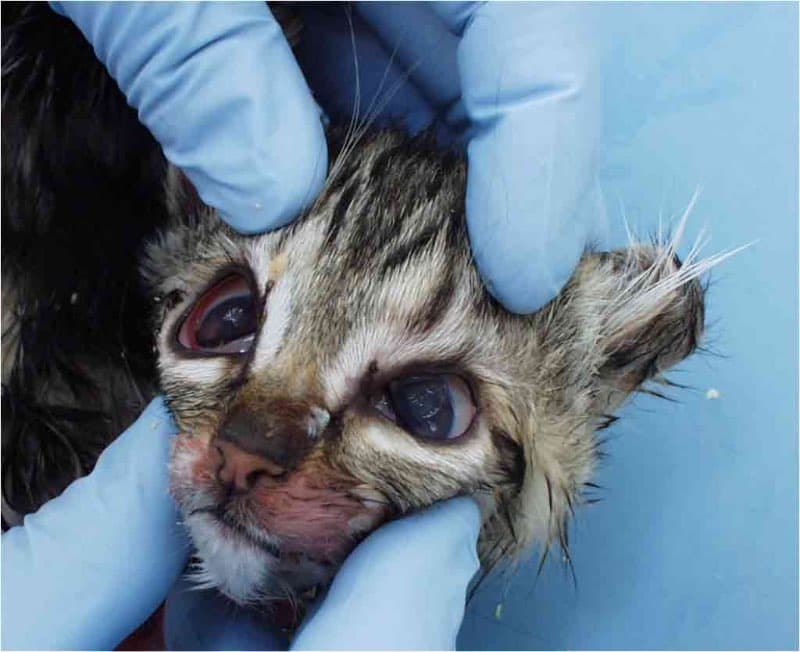
Feline Panleukopenia in Cats
27/08/2026
Feline Panleukopenia in Cats: A Serious Warning for Pet Parents in Pakistan
Feline Panleukopenia Virus, commonly called FPV, feline parvo, or feline distemper, is a highly contagious viral disease that can become life-threatening, especially in kittens and unvaccinated cats.
VetsonDoor, Pakistan’s trusted mobile veterinary care service, we are encouraging cat owners to understand the warning signs of feline panleukopenia and seek veterinary care as early as possible.
If your cat suddenly stops eating, becomes extremely weak, develops vomiting, diarrhea, fever, or severe dehydration, do not wait for the condition to become critical. Contact a veterinarian immediately.
VetsonDoor provides veterinary care at your doorstep in Lahore, with 24/7 availability for urgent veterinary assistance.
What Is Feline Panleukopenia?
Feline panleukopenia is caused by feline panleukopenia virus, a parvovirus that attacks rapidly dividing cells in the body.
The disease particularly affects the bone marrow, lymphoid tissues, and intestinal lining. Because of this, infected cats can develop a dangerously low white blood cell count, severe gastrointestinal problems, dehydration, and weakness.
The disease is found worldwide and can be particularly serious in young kittens, unvaccinated cats, cats living in groups, shelters, rescues, and environments where vaccination and infection control are limited.
This is why kitten vaccination and proper hygiene are extremely important for cat owners in Pakistan.
Why Are Cat Owners Concerned About FPV?
Feline panleukopenia spreads very easily.
The virus can be transmitted through an infected cat and through contaminated feces, vomit, saliva, urine, objects, clothing, equipment, and contaminated environments.
person can unknowingly carry contaminated material from one place to another. This means that even an indoor cat can potentially be exposed if contaminated material enters the home.
The virus is also extremely resistant in the environment. Under favorable conditions, it can remain infectious for a prolonged period, making proper cleaning and disinfection extremely important.
Which Cats Are Most at Risk?
Although any cat can become infected, severe disease is particularly common in:
→ Young kittens
→ Unvaccinated cats
→ Cats with incomplete vaccination
→ Cats living in multi-cat households
→ Rescue and shelter cats
→ Free-roaming cats
→ Cats exposed to infected animals or contaminated environments
Cats that develop clinical disease are commonly between approximately 4 weeks and 2 years of age.
Signs of Feline Panleukopenia
One of the biggest problems with FPV is that a cat can become seriously ill very quickly.
Watch your cat carefully for:
→ Sudden loss of appetite
→ Extreme weakness or depression
→ High fever
→ Vomiting
→ Diarrhea
→ Severe dehydration
→ Abdominal discomfort
→ Excessive salivation
→ Weakness or collapse
→ Low body temperature in severe cases
→ Low blood sugar in severe cases
→ Sudden death, particularly in severely affected kittens
Importantly, diarrhea is not always present in feline panleukopenia. Therefore, a cat without diarrhea can still have FPV.
Your Cat Does Not Need to Have Every Sign
This is very important for pet parents.
Some cats can become severely depressed, stop eating, vomit, and become dehydrated without developing obvious diarrhea.
In very severe cases, particularly in kittens, sudden death may be the first sign noticed by the owner.
Therefore, if your kitten suddenly becomes weak or refuses food, do not assume that it is simply tired or has an ordinary stomach problem.
How Does Feline Panleukopenia Spread?
FPV can spread through direct or indirect contact.
An infected cat can contaminate its surroundings through:
→ Feces
→ Vomit
→ Saliva
→ Urine
→ Other secretions and excretions
The virus can then be transferred through contaminated objects and surfaces.
Contaminated clothing, equipment, hands, cages, bedding and other materials can contribute to transmission.
This is particularly important for homes with multiple cats.
If one cat becomes sick, do not allow healthy cats to share the same environment, litter boxes, food bowls, bedding or other potentially contaminated items until a veterinarian has assessed the situation.
How Long Does It Take for Signs to Appear?
The incubation period is usually around 2–7 days, although it can sometimes be as long as 14 days.
This means that a cat may appear normal for several days after exposure before clinical signs develop.
Can Indoor Cats Get FPV?
Yes.
Keeping your cat indoors reduces exposure to many infectious diseases, but it does not eliminate the risk of FPV.
Because the virus can be transported through contaminated objects, clothing, equipment and environments, indoor cats can potentially be exposed without directly meeting an infected cat.
This is one reason why vaccination remains an important part of responsible cat ownership.
How Is Feline Panleukopenia Diagnosed?
A veterinarian may suspect FPV based on:
→ The cat’s age
→ Vaccination history
→ Exposure history
→ Clinical signs
→ Physical examination
→ Parvovirus antigen testing
→ Complete blood count or blood smear
A rapid parvovirus antigen ELISA test can detect FPV antigen from materials such as feces, vomit, or a rectal swab.
However, a negative rapid test does not always completely rule out FPV, particularly when viral shedding is intermittent. In cats with typical clinical signs, additional testing may be recommended.
A CBC can also provide important information. A markedly decreased white blood cell count, particularly severe leukopenia, supports the diagnosis and can indicate a poorer prognosis
Is Feline Panleukopenia Treatable?
There is no simple medicine that instantly eliminates FPV.
Treatment mainly focuses on giving the cat the best possible chance to survive the infection and controlling the complications caused by the disease.
Veterinary treatment may include:
→ Intravenous or subcutaneous fluid therapy
→ Correction of dehydration
→ Correction of electrolyte abnormalities
→ Blood glucose monitoring and correction when necessary
→ Anti-vomiting medication
→ Appropriate antimicrobial therapy when indicated
→ Nutritional support
→ Treatment of intestinal parasites when appropriate
→ Close monitoring
→ Intensive nursing care
Severely affected cats may require hospitalization and intensive supportive treatment.
Why Is Early Treatment So Important?
FPV can cause severe dehydration, shock, low blood sugar, electrolyte disturbances, low blood protein, anemia and secondary bacterial infections.
The condition can deteriorate rapidly, particularly in kittens.
The MSD Veterinary Manual reports that survival in hospitalized cats receiving supportive treatment has historically been around 20–51%, although individual outcomes vary significantly depending on the severity of disease and the patient’s condition.
This is why early veterinary assessment can make an important difference.
If your kitten is vomiting repeatedly, refusing food, becoming weak, or showing signs of dehydration, do not wait several days before contacting a veterinarian.
Can Feline Panleukopenia Be Prevented?
Yes.
Vaccination is the most important method of preventing feline panleukopenia.
Modern FPV-containing vaccines provide strong and long-lasting protection when appropriately administered.
For routine vaccination, the MSD Veterinary Manual notes that vaccination commonly begins at around 6 weeks of age, followed by repeat vaccinations every 3–4 weeks until approximately 16–20 weeks of age, according to vaccination guidelines and the individual cat’s circumstances.
Your veterinarian should determine the appropriate vaccination schedule for your cat based on age, health, previous vaccination history and exposure risk.
What If One Cat in Your Home Has FPV?
Take the situation seriously.
→ Immediately separate the sick cat from healthy cats
→ Do not share litter boxes, bowls, bedding or equipment
→ Wash hands carefully after handling the sick cat
→ Clean contaminated areas thoroughly
→ Follow veterinary advice regarding disinfection
→ Have other cats assessed by a veterinarian
→ Review the vaccination status of every cat in the household
FPV is resistant to many ordinary cleaning products.
The MSD Veterinary Manual states that, after removal of organic material, appropriate disinfectants can be effective against the virus. For example, household bleach at an appropriate 1:32 dilution with 6% sodium hypochlorite and 10 minutes of contact time is listed as effective against FPV.
Can the Virus Stay in the Environment?
Yes.
This is one of the most important things cat owners need to understand.
FPV is highly resistant and can remain infectious in the environment for a prolonged period. Without effective disinfection, the virus can persist for up to one year under favorable conditions.
Can a Recovered Cat Spread the Virus?
Recovered cats can continue to shed virus in feces for a period after recovery.
According to the MSD Veterinary Manual, viral shedding may be detected for up to 6 weeks after recovery, although most cats stop shedding after approximately 2 week
VetsonDoor – Veterinary Care at Your Doorstep
At VetsonDoor, we understand that taking a sick cat to a clinic can be stressful, especially when the cat is weak, vomiting or potentially carrying a highly contagious infection.
VetsonDoor is Pakistan’s mobile veterinary service, providing veterinary care at your doorstep.
Our goal is to make veterinary care more convenient for pet parents by bringing professional veterinary services directly to your home.
For cats showing signs of serious illness, our veterinary team can assess the patient and guide you regarding the next appropriate steps, including whether hospitalization and intensive treatment are required.
VetsonDoor is available 24/7 for urgent veterinary assistance in Lahore.