
Fatty Liver in Cats
21/08/2026
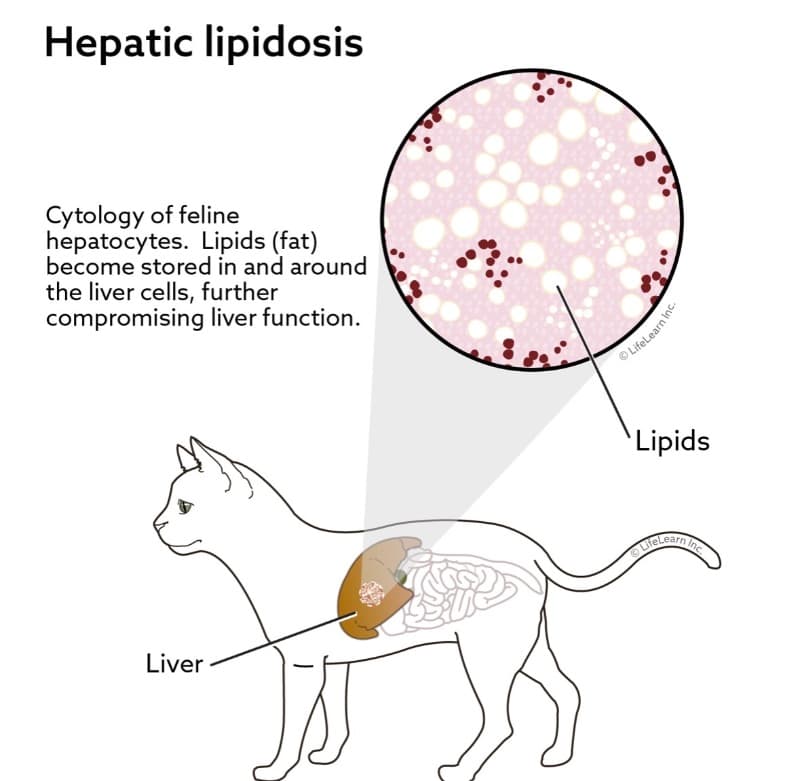
Hepatic Lipidosis in Cats Awareness Event – Fatty Liver Syndrome | VetsonDoor Lahore Hepatic Lipidosis in Cats: Know the Warning Signs Before It’s Too Late VetsonDoor invites cat owners, pet parents, and animal lovers across Lahore and Pakistan to learn about Hepatic Lipidosis in Cats, also known as Feline Hepatic Lipidosis or Fatty Liver Syndrome. Hepatic lipidosis is one of the most common liver diseases seen in cats and can become life-threatening when a cat stops eating for several days. Early recognition and rapid veterinary treatment can make a critical difference. Awareness Focus: Lahore, Pakistan Topic: Hepatic Lipidosis / Fatty Liver Syndrome in Cats Organized by: VetsonDoor – Veterinary Care at Your Doorstep What Is Hepatic Lipidosis in Cats? Hepatic lipidosis, commonly called fatty liver syndrome, is a serious liver condition that is unique to cats. It commonly develops after a cat experiences a period of anorexia or significantly reduced food intake. Cats that have recently stopped eating for approximately three to four consecutive days may be at increased risk, particularly if they were overweight or obese before becoming anorexic. Cats with hepatic lipidosis are often middle-aged and may have lost at least 25% of their body weight. The condition occurs because when a cat stops eating, the body begins rapidly breaking down stored fat to provide energy. This can overwhelm the liver’s ability to process the fat. Fat then accumulates in and around liver cells, further impairing liver function.
Why Is Hepatic Lipidosis Dangerous? One of the major concerns is that hepatic lipidosis can progress rapidly. As liver function becomes compromised, the cat may develop jaundice, also known as icterus, which can appear as a yellow coloration of the whites of the eyes, skin, or other tissues. At this stage, the disease can be fatal if treatment is not started rapidly and aggressively. This is why a cat that suddenly stops eating should never be ignored, especially when the loss of appetite continues for several days.
Why Do Cats Develop Fatty Liver Syndrome? In more than 90% of cats with hepatic lipidosis, an underlying disease or condition has contributed to the cat becoming inappetent. Possible underlying causes include: * Inflammatory bowel disease * Other liver diseases * Cancer * Pancreatitis * Anxiety * Respiratory disease * Diabetes mellitus * Other conditions causing reduced food intake This means that treating hepatic lipidosis alone may not be enough. The underlying reason why the cat stopped eating also needs to be investigated and addressed. Which Cats Are More at Risk? Although any cat that becomes anorexic can potentially develop hepatic lipidosis, the risk can be greater in cats that were overweight or obese before they stopped eating. Pay particular attention if your cat: * Is overweight or obese * Has suddenly stopped eating * Has significantly reduced food intake * Has recently lost substantial body weight * Has another underlying illness * Has developed yellow discoloration of the eyes or skin A sudden change in appetite should always be taken seriously. Signs That Cat Owners Should Know Loss of Appetite A cat eating little or nothing for several days requires veterinary attention. Significant Weight Loss Cats with hepatic lipidosis may have experienced substantial weight loss before or during the disease. Yellow Eyes or Skin Jaundice or icterus may cause a yellow coloration of the whites of the eyes or skin. General Signs of Illness A cat with an underlying disease may show additional signs depending on the original cause of its inappetence. If your cat has stopped eating and appears unwell, do not wait for the condition to become severe before seeking veterinary advice. How Is Hepatic Lipidosis Diagnosed? Veterinarians may diagnose hepatic lipidosis using a combination of: * Medical history * Clinical signs * Blood tests * Liver function assessment * Fine needle aspirate of the liver * Liver biopsy * Ultrasound-guided sampling when appropriate A liver biopsy or fine needle aspirate can demonstrate a large amount of fat in and among the liver cells. Additional diagnostic tests may also be required to identify why the cat stopped eating in the first place. In some situations, if the cat is too unstable for a biopsy and the history, clinical signs, and bloodwork strongly suggest hepatic lipidosis, a veterinarian may make a presumed diagnosis and begin treatment. Can Hepatic Lipidosis in Cats Be Treated? Yes. Hepatic lipidosis is treatable, but it requires aggressive and consistent nutritional support. Nutritional support is the most important component of treatment. The liver requires a consistently high level of nutritional support so it can resume functioning and mobilize the excessive fat stores. Recovery can require approximately six to seven weeks of nutritional support. Because maintaining adequate nutritional intake is so important, many affected cats require a feeding tube so that the exact amount of food and nutrients being provided can be controlled. Feeding Tube Support in Cats With Hepatic Lipidosis A veterinarian may surgically place a feeding tube into the cat’s esophagus or stomach, depending on the individual case. The cat can then receive a specially formulated diet directly through the gastrointestinal tract. Tube feeding allows the veterinary team and owner to control the amount of nutrition the cat receives while the liver recovers. The exact feeding volume, frequency, diet, and tube-care instructions must be determined by the treating veterinarian according to the individual cat’s condition. Do not attempt to place, remove, or manage a feeding tube without veterinary instruction. How Long Does Treatment Take? A cat recovering from hepatic lipidosis may require nutritional support for approximately six to seven weeks before returning to normal voluntary eating. During recovery, veterinary monitoring is important. Once the cat begins eating independently, supplemental tube feeding can gradually be reduced while monitoring the cat’s total daily food intake. According to the provided veterinary guidance, once a cat has been eating well for three to four days without supplemental tube feeding, the veterinarian may determine that the feeding tube can be removed. The feeding tube should never be removed by the owner. The Most Important Message for Cat Owners Do Not Ignore a Cat That Stops Eating One of the most important messages of this awareness campaign is simple: A cat not eating for several days is not normal. Hepatic lipidosis may develop following a period of anorexia, particularly in overweight or obese cats. If your cat has stopped eating, especially for multiple consecutive days, contact a veterinarian promptly to determine the underlying cause. Early veterinary assessment can help identify the reason for the loss of appetite and determine whether nutritional support or further diagnostic testing is required. Hepatic Lipidosis Awareness in Lahore VetsonDoor is raising awareness about fatty liver disease in cats in Lahore because many pet owners may not realize how serious prolonged loss of appetite can be. This awareness campaign is especially relevant for cat owners in: * DHA Lahore * Gulberg Lahore * Johar Town * Model Town * Bahria Town Lahore * Wapda Town * Garden Town * Township * Faisal Town * Cantt Lahore * Valencia * Askari * Lake City * Raiwind Road * Surrounding Lahore areas Our goal is to help pet owners recognize important warning signs and seek appropriate veterinary care without unnecessary delay. Frequently Asked Questions What is hepatic lipidosis in cats? Hepatic lipidosis, also called fatty liver syndrome, is a serious liver condition in cats in which excessive fat accumulates in and around liver cells, impairing liver function. Can a cat get fatty liver from not eating? Hepatic lipidosis commonly occurs following a period of anorexia or significantly reduced food intake. The risk can be greater in cats that were overweight or obese before they stopped eating. How long can a cat go without eating before fatty liver develops? The provided veterinary information notes that hepatic lipidosis commonly follows approximately three to four consecutive days of anorexia. However, any significant reduction in food intake should be taken seriously, and owners should contact a veterinarian rather than waiting for a specific number of days. Is hepatic lipidosis fatal in cats? It can be life-threatening. If severe hepatic lipidosis is not treated rapidly and aggressively, particularly when jaundice develops, it can be fatal. Fortunately, the condition is treatable with appropriate veterinary management and nutritional support. Can fatty liver disease in cats be treated? Yes. Aggressive nutritional support is the most important component of treatment. Additional treatment may include management of dehydration, nausea, electrolyte abnormalities, liver support, and treatment of the underlying disease that caused the cat to stop eating. Does an overweight cat have a higher risk? Yes. Cats that were overweight or obese before becoming anorexic have a greater risk of developing hepatic lipidosis. How long does treatment take? Nutritional support may be required for approximately six to seven weeks, although the exact recovery period varies between cats and depends on the underlying disease and individual response to treatment. Protect Your Cat – Act Early If your cat has stopped eating, is rapidly losing weight, appears weak or unwell, or develops yellow discoloration of the eyes or skin, seek veterinary attention promptly. Do not attempt to manage suspected hepatic lipidosis at home without veterinary guidance. Need Veterinary Care in Lahore? VetsonDoor provides convenient veterinary care at your doorstep in Lahore, helping pet owners access professional veterinary services without unnecessary travel. Book a veterinary visit through the VetsonDoor mobile app. About VetsonDoor VetsonDoor is a mobile veterinary platform providing convenient veterinary care for pet owners in Lahore. Through the VetsonDoor mobile app, pet owners can access veterinary services, manage pet healthcare information, and arrange veterinary care at their doorstep. VetsonDoor is committed to increasing awareness about important pet health conditions and helping pet owners recognize when professional veterinary care is needed. VetsonDoor – Pakistan’s Trusted Veterinary Care at your doorstep